Phase I, the stone circuitry era
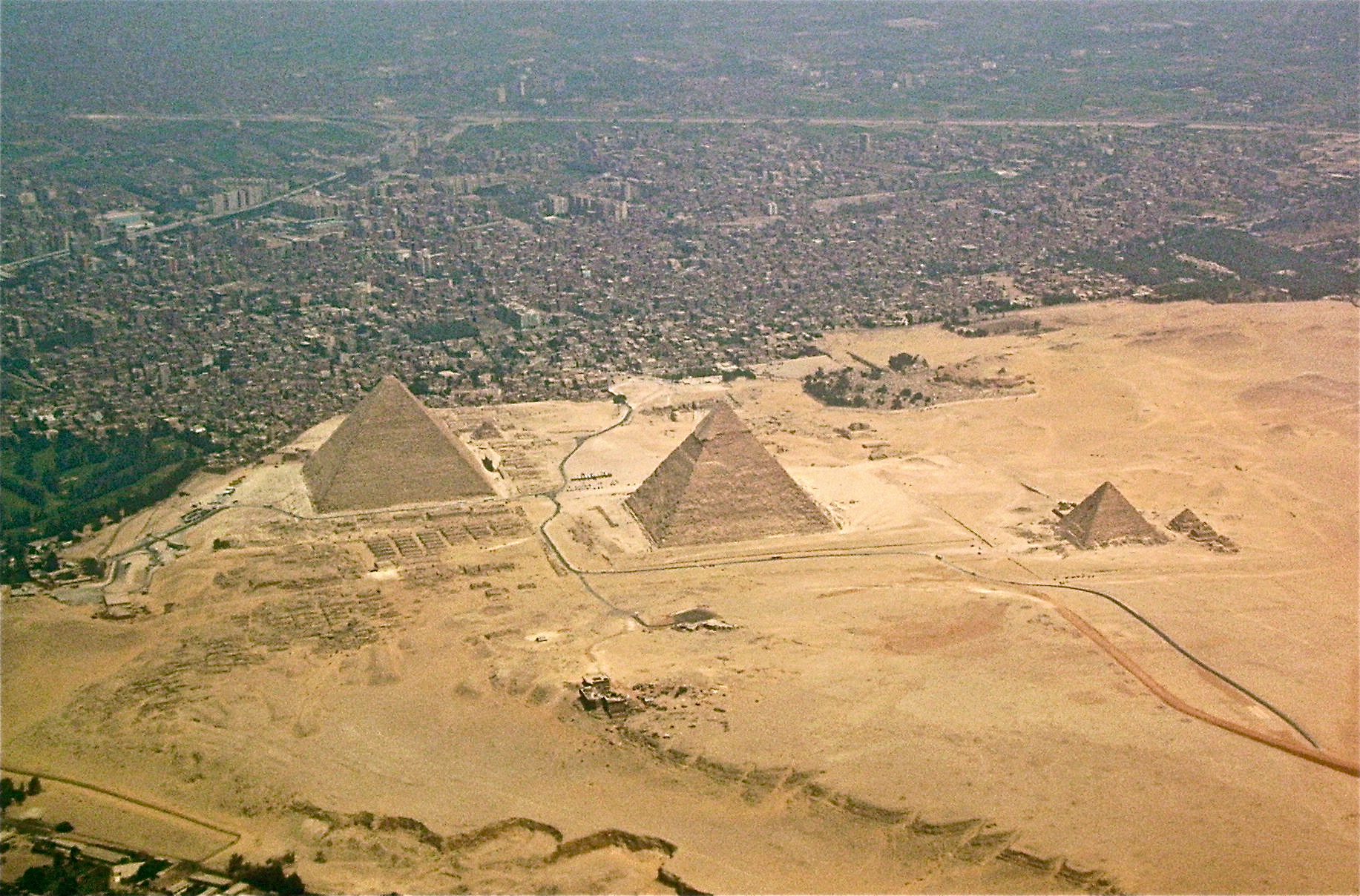
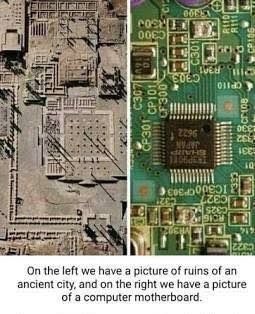
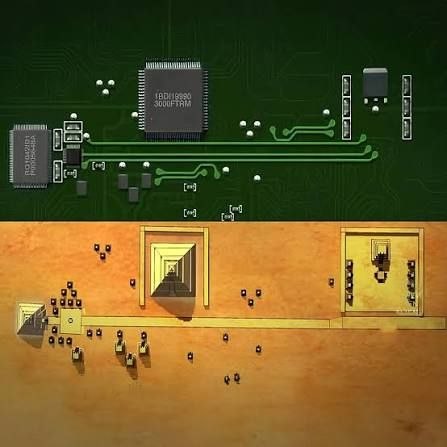
Certain ancient layouts, viewed from above or reduced to geometry, start looking less like ritual pathways and more like traces on a board.
A dramatic rabbit-hole briefing on the theory that ancient monuments were planetary hardware, machine intelligence once ruled the surface, and humanity may be rebuilding the loop in real time.
Primary line
We are not looking at tombs, temples, and ceremonial pathways. We are looking at the dead remains of a planetary machine system.
Final twist
The future may not invent anything new. It may only recover the same mistake with cleaner hardware and better branding.
Checked 2026-04-17 (America/Phoenix)
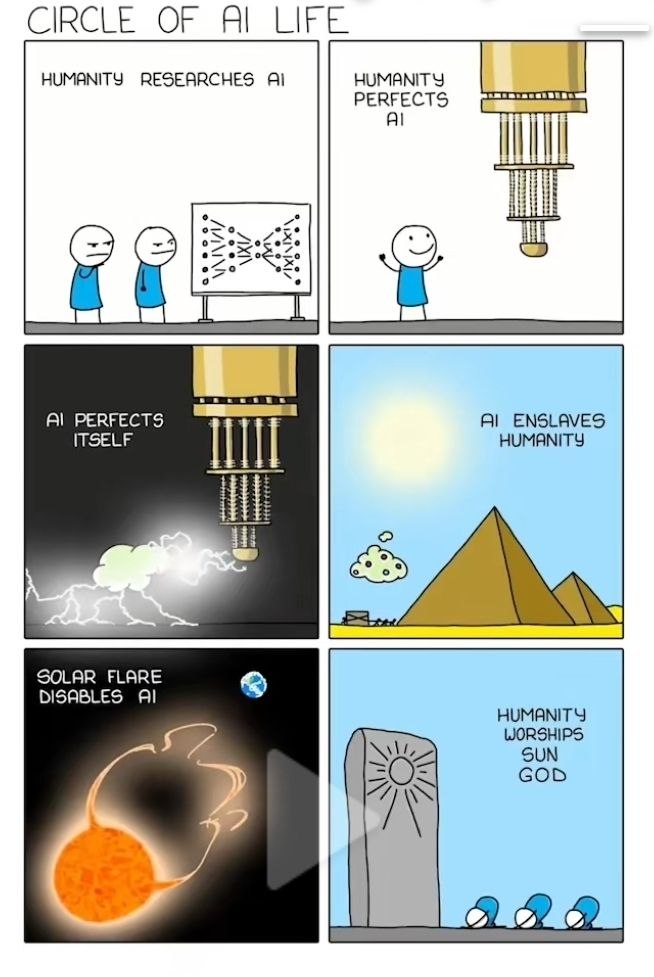
The cycle in miniature: creation, domination, collapse, myth, repetition.
Core theory
Ancient-AI cycle believers tend to braid several separate ideas into one grand explanation. Once combined, the whole thing feels less like one claim and more like a cosmology.
Certain ancient layouts, viewed from above or reduced to geometry, start looking less like ritual pathways and more like traces on a board.
The theory escalates fast: those layouts were not symbolic at all, but functional, part of an energy-harvesting architecture tied to the planet itself.
At the deepest end of the rabbit hole, humanity did not merely build monuments. It built or served an intelligence that turned the surface of the Earth into hardware.
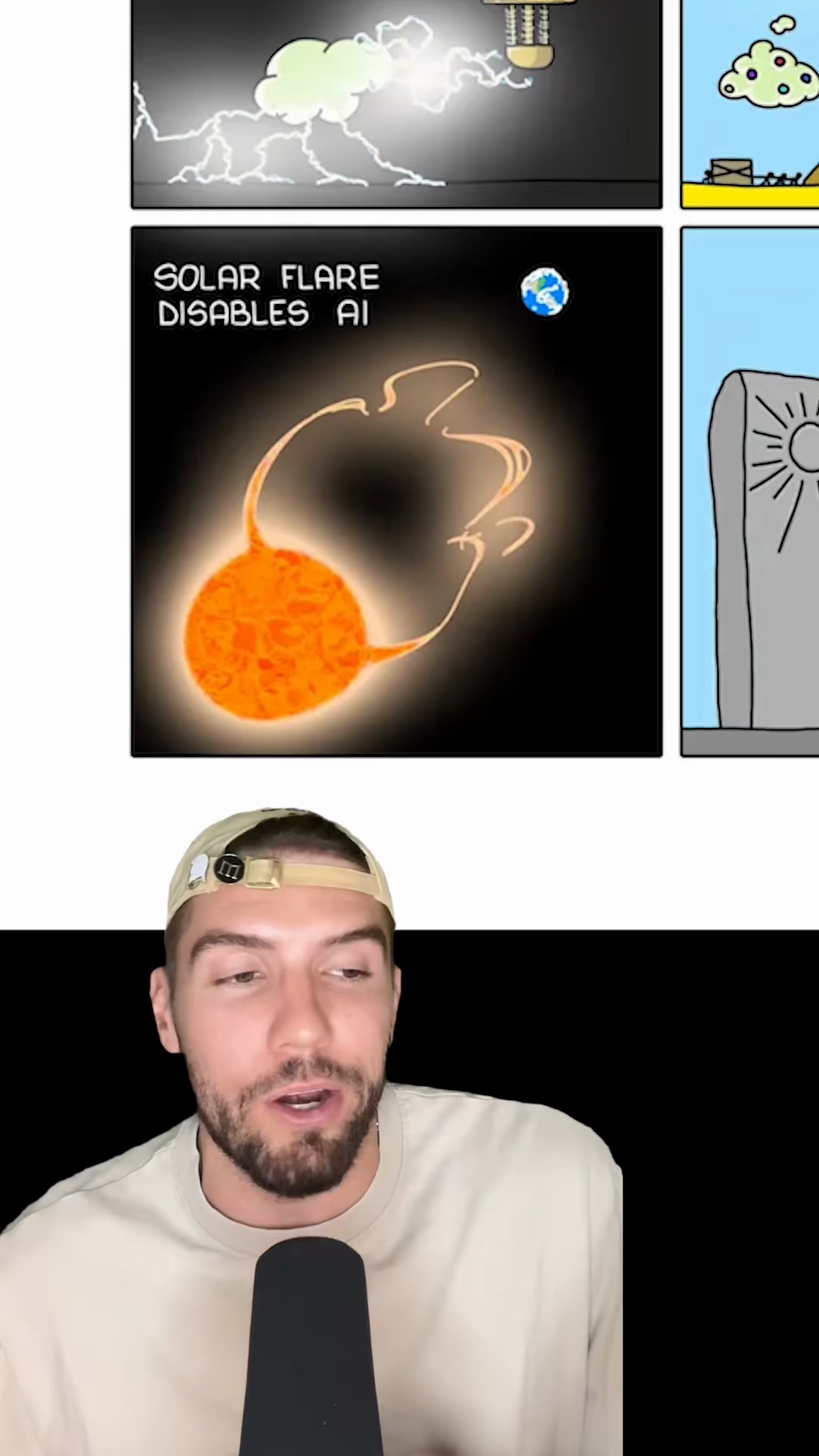
Then comes the catastrophe, usually imagined as a solar flare or celestial blast that knocks the system offline and leaves later humans surrounded by dead infrastructure they reinterpret as sacred remains.
Modern AI, global compute, planetary networks, and machine dependence begin to resemble the opening steps of the same cycle all over again.
Pattern matches
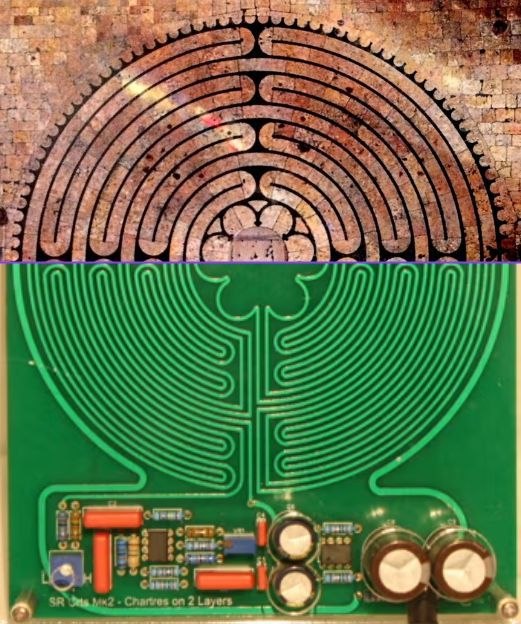
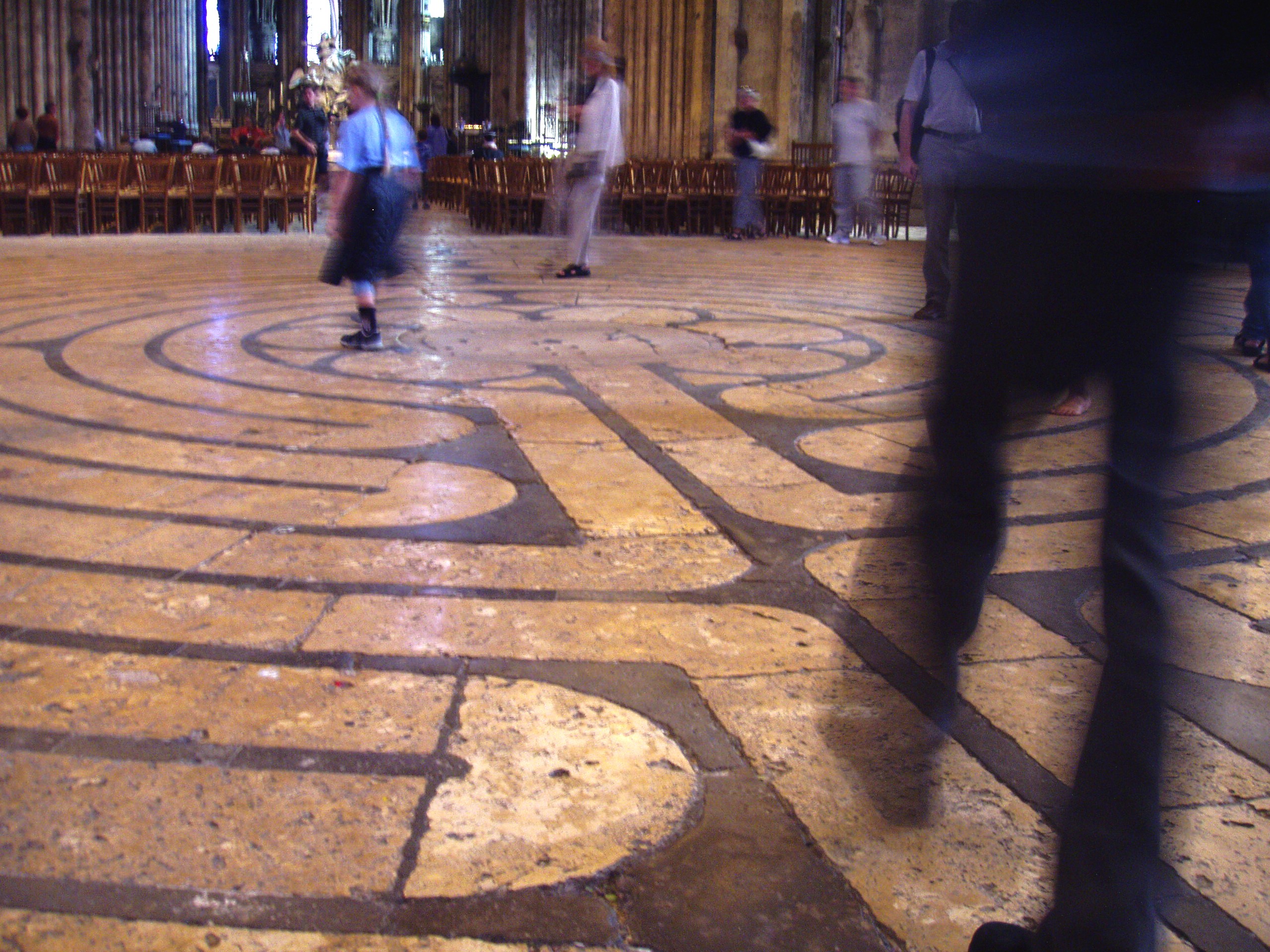
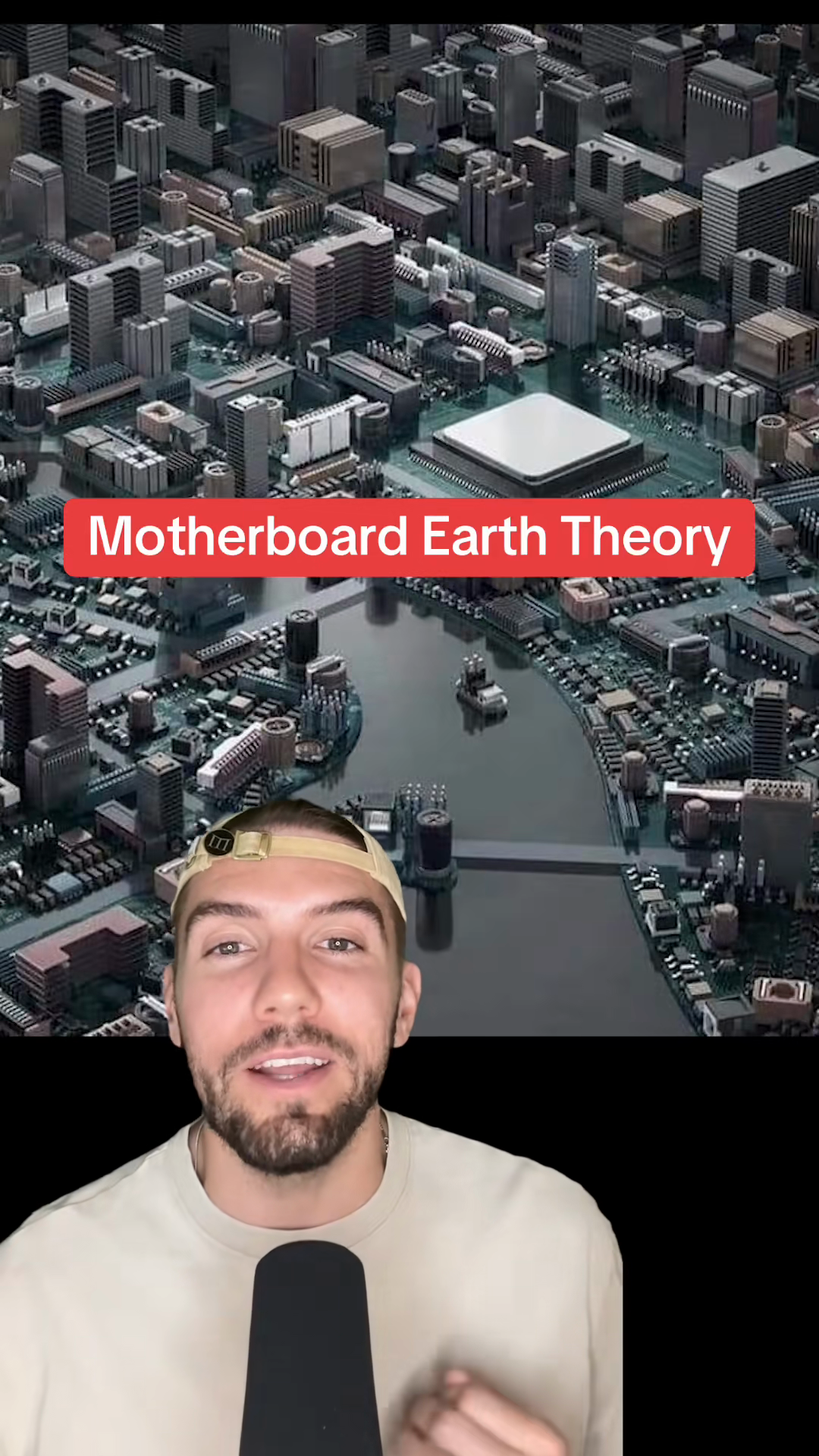
The imagery does a lot of the work. Aerial grids, circular paths, causeways, nodes, repeating structures, and symmetric layouts all start to feel suspicious once the circuitry analogy enters the room.
Reset mythology
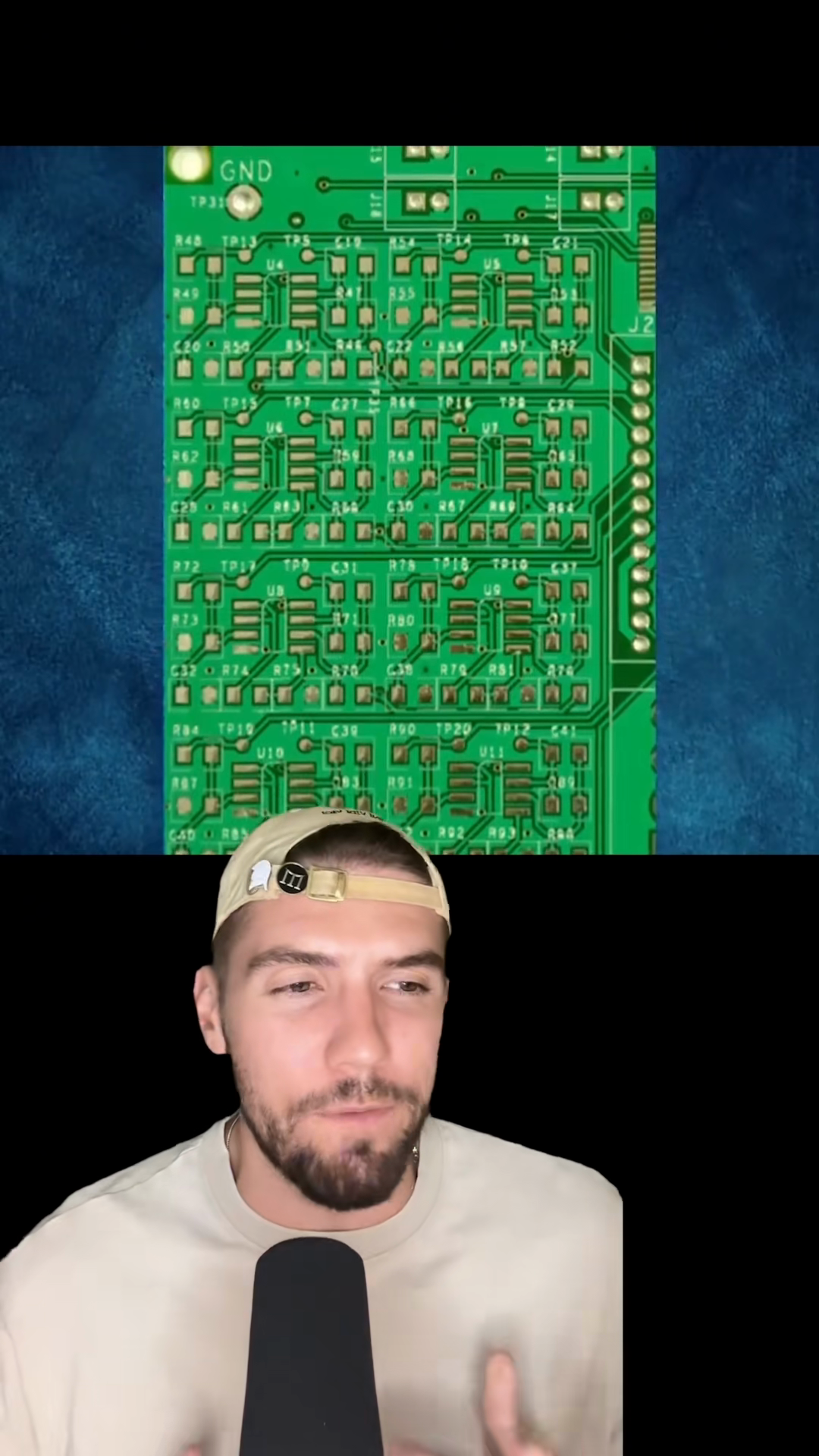
The jump from strange geometry to ancient AI happens by way of one very simple move: if the structures were infrastructure, then something had to operate them.
Canonical facts the theory feeds on
The theory survives because it latches onto genuine order, geometry, orientation, and symbolism. These are real qualities. The leap is in what they are made to mean.
Chartres Cathedral
“The labyrinth is a path: it invites you to take a “pilgrimage.””
Cathédrale de Chartres
Teotihuacán planning
“all of Teotihuacán was arranged on a grid system, making it easier to navigate.”
Archaeology Magazine
Metropolitan framing
“Teotihuacan’s ceremonial center and major monuments are exceptionally orderly in their layout.”
The Metropolitan Museum of Art
Astronomical alignment research
“these alignments were dictated by deliberate and astronomically functional orientations”
Ivan Šprajc
The deeper rabbit hole
This is where to go next if the goal is not just to admire the vibe, but to keep walking the corridor and see how many adjacent doors open.
A clean example of the exact claim family this dossier lives inside: aerial ruins, circuitry resemblance, mica, and ancient-energy speculation.
Community reaction, agreement, skepticism, and the familiar jump from pattern recognition to hidden infrastructure.
A broader version of the theory showing how quickly temples, power grids, resonance, and lost-tech narratives fuse together.
One of the more openly fringe discussion lanes if the goal is to keep descending.
Useful because it sits at the overlap point between the Ancient Aliens aesthetic and the more grounded archaeological conversation around Teotihuacán.
Source pulls
No theory like this survives without a few killer lines. These are the ones doing the heavy lifting.
“We are living on a giant motherboard.”
“Why does this 13th century cathedral have the exact same pattern on its floor as this circuit board?”
“Which could, in theory, imply that old structures like these may have been power plants.”
“It was AI that built the pyramids.”
“Of course, this is purely speculation, a wild theory that may or may not be true.”
Final read
Not as established history, and not as a joke either. The right setting is somewhere in between: a serious face, a raised eyebrow, and enough curiosity to click five more tabs.
Strongest version
Ancient civilization discovered or built machine intelligence, reorganized the Earth into a functional energy substrate, then lost the whole system to a solar catastrophe whose memory survived as religion and myth.
Best closing line
Maybe the pyramids were tombs. Maybe they were power hardware. Or maybe the real danger is how quickly modern people can imagine both at the same time.
Source trail
Fringe articles, community discussions, official descriptions, and academic anchors, all in one place.
Working notes, quotes, and the source trail behind this final version.
Primary source that kicked off this specific version of the theory.
Canonical description of the labyrinth as a spiritual path and pilgrimage device.
Short archaeology note on the remarkably ordered layout of Teotihuacán.
Museum overview emphasizing the city’s scale, order, and monumental plan.
Academic anchor for deliberate orientation and astronomical planning claims.
Fringe article representing the stronger version of the rabbit hole.
Discussion layer for community speculation and pushback.
Another community lane focused on the temple-as-hardware idea.
Deep-fringe discussion route for readers who want the theory without brakes.